We have updated our blog on a website, please follow the link for more information about Field school and application process 2024.
http://www.proyectohuariancash.org/projects.html
Overview
The study of burial patterns constitutes an important component of the examination of the ancient political organization and social identity. I believe that the study of tombs and their relationship to the landscape permits a discussion of how ancient peoples perceived the dead, as well as inform archaeologists about ritual practices. Burials can shed insight on those rituals and their relationship with the political and social organization by associating the type of tombs to large-scale modifications in public and ceremonial architecture.
Our research examines how changes in mortuary patterns were associated with transformations in political and social organization between AD 200 and 1600. There are 4 main categories of tombs: 1) funeral caves, 2) subterranean tombs, 3) cist tombs, and 4) chullpas (above ground burial structures). By applying a diachronic approach, we study: 1) how variation in tombs is reflected in public and ceremonial architecture, 2) if changes in tombs occur contemporaneously with changes in public and ceremonial architecture, 3) if there is continuity in the use of some type of tombs, and 4) rituals associated with the dead. Particular emphasis will be placed on the examination of chullpas holding over 50 individuals. Chullpas were places where ayllu-based social organization materialized. Ayllus were social groups based on kin with a common ancestor that worshiped a huaca or a sacred mountain. They were important because ayllus controlled rights over land, water, and labor management. Combining data of mortuary and settlement patterns, we will explore the links between changes in mortuary practice and changing sociopolitical circumstances in the region.
Session Summer 2021
1.
June 9th to July 01
June 9th to July 01
Study Areas
The project is focused on three aspects of research and we follow different techniques in the field and lab:
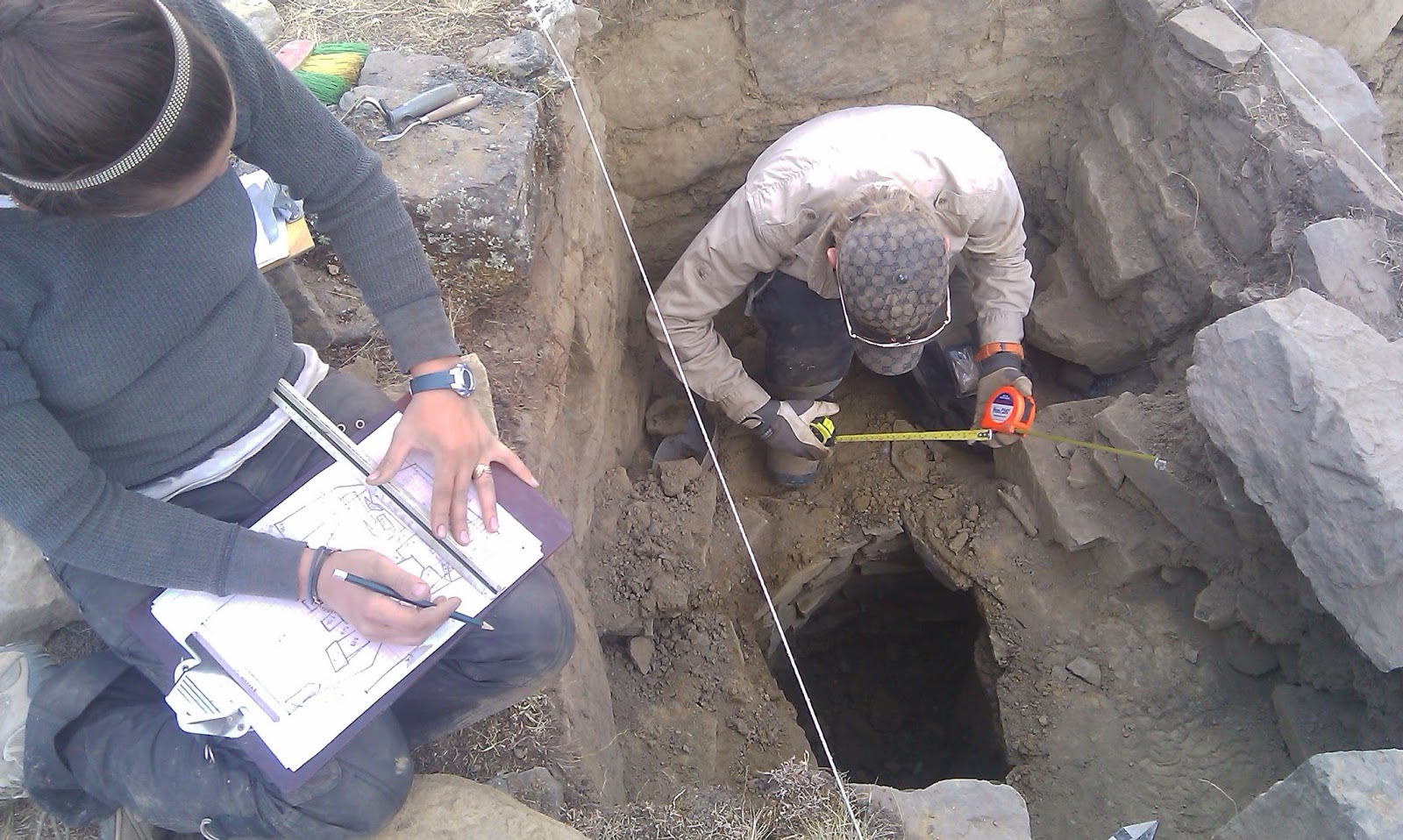
Archaeology: This part of the program involves archaeological excavations in different types of context; our goal for the student is to learn to identify stratigraphic layers, be able to set up and fully fill out an excavation form and improve archaeological drawing and recording. It will also include surveys to sites around the valley. We will examine different material recovered during the present and past seasons (e.g. pottery, lithics).
Archaeology: This part of the program involves archaeological excavations in different types of context; our goal for the student is to learn to identify stratigraphic layers, be able to set up and fully fill out an excavation form and improve archaeological drawing and recording. It will also include surveys to sites around the valley. We will examine different material recovered during the present and past seasons (e.g. pottery, lithics).
Bio-archaeology: This part consists of mapping and excavating funeral structures located in Ampas (and the sites in the surrounding area). This part includes drawing/mapping of funeral structures/caves, techniques of bone recovering, and identification of taphonomy process in human remains. No previous experience is required.
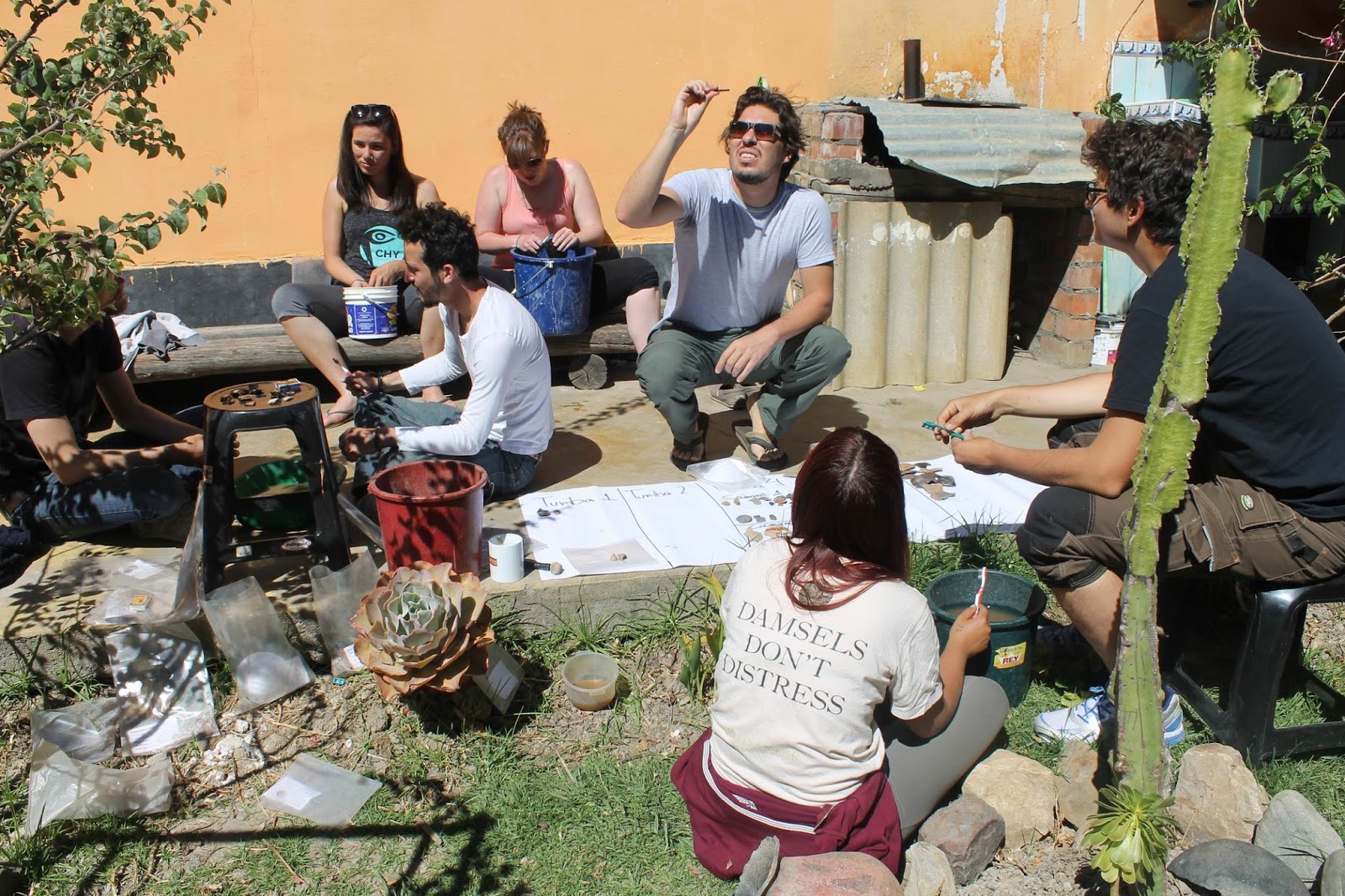
Lab: analysis of human remains from Marcajirca site and sites surveyed. The bone analyses are performed to obtain biological data from the remains recovered by students themselves during the current season or from previous excavations. At least 2 days or 16 hours of full lab will be provided with a dedicated instructor.
All the participants in the team will rotate between different parts of research so that everyone gets to try everything. However, based on progress and skill for determined areas or preferences, if a participant chooses to work only in one area, it may be considered, keeping in mind that the number of students is manageable by a supervisor or instructor for that area.
Accommodation
For the duration of project participants will live in the project house in Huari. The house is equipped with a lab, running water, hot showers, electricity, flush toilets, small garden, full kitchen, and lending library; students sleep in bunk beds in doubles, triples, or quads. The project will provide you with a mattress and sheet, but you must bring your sleeping bags. When camping in the field, the project will provide tents (2-4 persons) and mattresses; if you want to bring your own tent you are welcome to do so. There are few internet cafes in Huari. The excavation site is located at about 15 minutes driving distance and 30 minutes hiking.
Meals: All meals will be grouped, and we will provide plenty of nutritious but basic food in the tradition of local cuisine. While in the house or camping, there will be 3 meals (breakfast, lunch and dinner). On the days of survey, we will not have hot lunch at the house or camp, but pack snack lunches. Peruvian highland cuisine is heavily based on rice, corn, potatoes, legumes and animal protein such as eggs, beef and chicken. If you are a vegetarian or have some allergies, you must inform us ahead of time so that the right kind of food is prepared. No group meals served on Sundays (day off), however you can have breakfast in the house.
Travel Info
You are responsible for your flight to Lima and your transportation and stay at the Hotel. In Lima, we will meet in Miraflores, a very popular neighborhood for visitors, at around 11 am. We will visit Museo de Archaeology of Peru and will be traveling to Huari the following day. Bus departs at 6 pm, the trip lasts around 11 hours. We cover the round-trip by bus Lima – Huari – Lima and the ticket for visiting the Museum.
If you missed your connection or your flight is delayed, please call, text or email the project director. Local cell phone numbers and other emergency contact information will be provided to all enrolled participants.
Traveling in Huari
We plan a series of visits while Huari: Chavin de Huantar (transportation provided), Reparin or Purhuay Lakes and the archaeological site of Marcajirca or the Inca Tambo of Pincos (apply extra $5 cost per trip). If you love hiking there are few sites for visiting (Sundays). The Inka Road runs a few km. away from the house as well as a beautiful waterfall.
Student Safety
All of our students receive safety orientations both before and on the first day of each program. We have all been working and living in the area for years. Therefore, we are intimately familiar with local customs and traditions, know the landscape well and have deep relationships with local communities. Local authorities and the Ministerio de Cultura del Peru are informed of our operations. Students must have their own traveling health insurance. We have a direct line to a local a doctor and a nurse in case of any emergency.
Our project has strong, explicit and robust policy towards discrimination and harassment in the field. You may feel to discuss (with privacy) personal safety issues with the field school director.
Email us if you have questions about the safety of our program.
Important
Few things to keep in mind: this is a project run in a high altitude and this aspect alone makes it physically challenging. In the field we need to learn to deal with the circumstances at hand, and to make the best of a given situation with the tools available. Survey involves long hours of hiking, so you ought to be in shape.
Margarita Brikyte
Project Coordinator
archaeology_huari.ancash@yahoo.com
or follow us on Facebook: https://www.facebook.com/profile.php?id=100015342102566